

Lab Tip #2
Lab Tip #2: Why Is There Salt in Dilution Fluid?

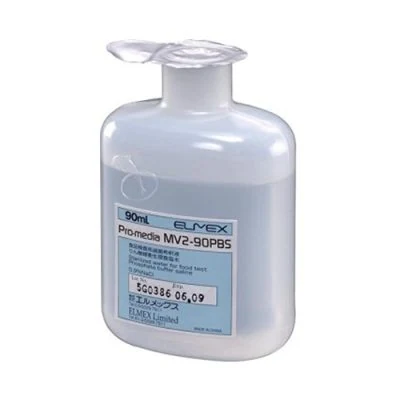
Dilution fluid is not just water. The 9 ml dilution fluid contains 0.85–0.90% NaCl. This small detail makes a big difference to the accuracy of a microbiological count.
Contents4 sections
What does isotonic mean?
Water moves between the inside and the outside of a microbial cell by osmosis. When the salt concentration of the surrounding liquid is close to that inside the cell, the two sides are in balance; this is called an isotonic environment. Dilution fluid with 0.85–0.90% NaCl provides that balance: the pressure outside equals the pressure inside the microorganisms.
What happens with plain water?
Plain water is much more dilute than the inside of the cell. Water flows into the cell, and sensitive cells can be damaged. Cells damaged during dilution may not form colonies on the plate, so the result can come out lower than it really is. Isotonic dilution fluid prevents microorganisms from being damaged during dilution and helps the count on the plate reflect the real state of the sample.
Working with 9 ml dilution tubes
Transferring 1 ml of the previous dilution into a 9 ml tube makes a tenfold dilution. Sterile, ready-to-use tubes give the same volume every time:
- They are easy to use, with no preparation or sterilisation.
- With the Dilution Rack, tenfold dilutions are fast, easy and safe.
- They can be used for all kinds of sampling.
- Shelf life is 2–3 years from the date of manufacture at room conditions (5–30 °C).
We explain how the first dilution is made and how to go on to the 10⁻² and 10⁻³ dilutions in Lab Tip #1.
If you prepare your own dilution fluid
If you prepare dilution fluid in the laboratory, the salt has to be weighed correctly, the liquid sterilised and each batch labelled and recorded. Sterile ready-made tubes take these steps out of your laboratory and give the same composition in every tube.
Contact us for dilution fluid options. You will find the other posts of the Lotus Analitik lab tips series below.
Lab Tips
More from this series
- Lab Tip #1Lab Tip #1: How to Make the First Dilution
- Lab Tip #2Lab Tip #2: Why Is There Salt in Dilution Fluid?
- Lab Tip #3Lab Tip #3: How Should Hygiene Swabs Be Stored?
- Lab Tip #4Lab Tip #4: How Should Easy Plate Be Stored?
- Lab Tip #5Lab Tip #5: Is Measuring ATP Alone Enough?
- Lab Tip #6Lab Tip #6: When Should Frying Oil Be Changed?
- Lab Tip #7Lab Tip #7: Why Does pH Matter So Much?
- Lab Tip #8Lab Tip #8: What Is Water Activity?
Products