


Lab Tip #4
Lab Tip #4: How Should Easy Plate Be Stored?

The biggest advantage of ready-to-use media is that they arrive ready; keeping that advantage depends on storing them correctly. For Easy Plate the rule is short: unopened packs are stored at 2–8 °C, and the shelf life depends on the plate.
Contents3 sections
Unopened packs: 2–8 °C
Easy Plate packs are stored unopened at 2–8 °C, that is, in the fridge. Each pack holds 100 tests in four separate bags of 25. For opened bags, follow the instructions for use supplied with the product.
Shelf life depends on the plate
Shelf life from the date of manufacture is 18 months for AC, CC, EC, YM-R and EB, and 12 months for SA. AC-R has 12 months, rising to 18 months for lots manufactured on or after 18 June 2026. That is why our video gives no single figure: always follow the expiry date on the pack.
| Plate | Target microorganism | Incubation | Shelf life |
|---|---|---|---|
| AC | Aerobic bacteria | 48 ± 2 hours35 ± 1 °C | 18 months |
| AC-R | Aerobic bacteria | 24 ± 1 hours35 ± 1 °C | 12 months* |
| CC | Coliform bacteria | 24 ± 1 hours35 ± 1 °C | 18 months |
| EC | E. coli and coliforms | 24 ± 1 hours35 ± 1 °C | 18 months |
| YM-R | Yeasts and moulds | 48–72 hours25 ± 1 °C | 18 months |
| SA | Staphylococcus aureus | 24 ± 1 hours35 ± 1 °C or 37 ± 1 °C | 12 months |
| EB | Enterobacteriaceae | 24 ± 1 hours35 ± 1 °C or 37 ± 1 °C | 18 months |
* AC-R: lots manufactured on or after 18 June 2026 have a shelf life of 18 months.
Practical tips for stock and storage
- Put the packs in the fridge as soon as they arrive. Lotus Analitik delivers Easy Plate through the cold chain.
- Use the pack with the nearest expiry date first.
- Order plates whose shelf life can be shorter, such as SA and AC-R, more often and in smaller amounts, matched to how fast you use them.
- Stack the packs neatly in the fridge; the thin, flat bags take up little room.
On space, Easy Plate makes a big difference: it needs only 5% of the space of conventional Petri dishes (10 Petri dishes against 10 Easy Plates). That means savings in space and energy in storage and incubation.
We cover the whole range in our article on ready-to-use media, and each plate has its own article too. You will find the other posts of the Lotus Analitik lab tips series below.
Lab Tips
More from this series
- Lab Tip #1Lab Tip #1: How to Make the First Dilution
- Lab Tip #2Lab Tip #2: Why Is There Salt in Dilution Fluid?
- Lab Tip #3Lab Tip #3: How Should Hygiene Swabs Be Stored?
- Lab Tip #4Lab Tip #4: How Should Easy Plate Be Stored?
- Lab Tip #5Lab Tip #5: Is Measuring ATP Alone Enough?
- Lab Tip #6Lab Tip #6: When Should Frying Oil Be Changed?
- Lab Tip #7Lab Tip #7: Why Does pH Matter So Much?
- Lab Tip #8Lab Tip #8: What Is Water Activity?
Products
Products in this article
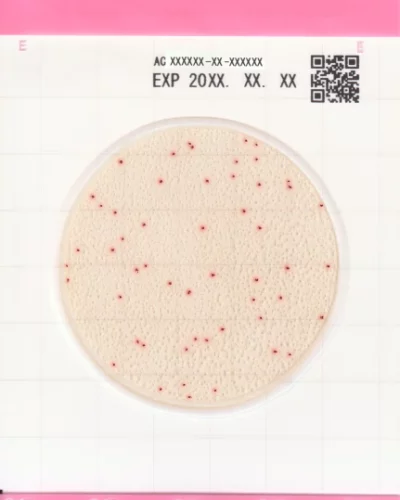 ACAerobic bacteriaEasy Plate ACAOAC PTM certified
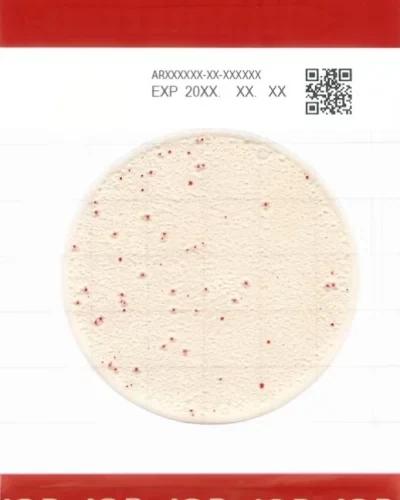 AC-RAerobic bacteriaEasy Plate AC-RAOAC PTM certified
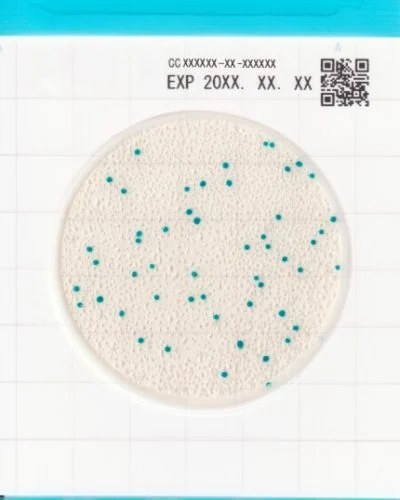 CCColiform bacteriaEasy Plate CCAOAC PTM certified
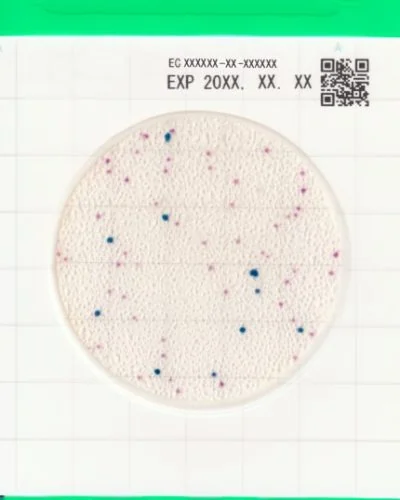 ECE. coli and coliformsEasy Plate ECAOAC PTM certified
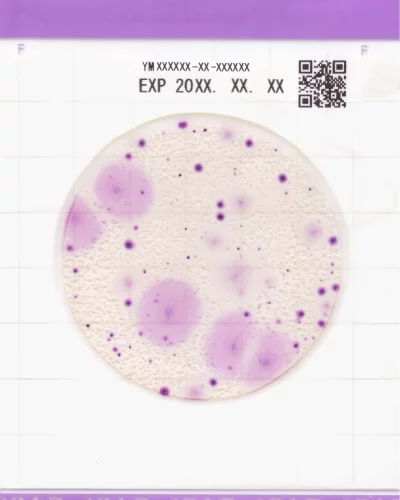 YM-RYeasts and mouldsEasy Plate YM-RAOAC PTM certified
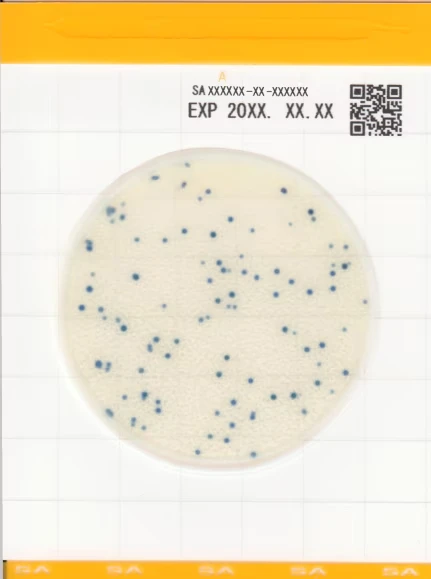 SAStaphylococcus aureusEasy Plate SAAOAC PTM certified
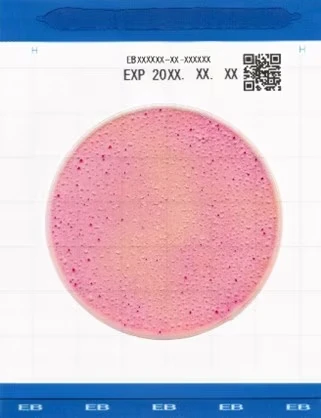 EBEnterobacteriaceaeEasy Plate EBAOAC PTM certified